Buying Guide · 9 min read
The Complete London Fog Trench Coat Buying Guide
How to choose a London Fog trench coat: sizing, water repellency, liners, lengths and the details worth paying for. Written for first-time buyers.
Published · Updated
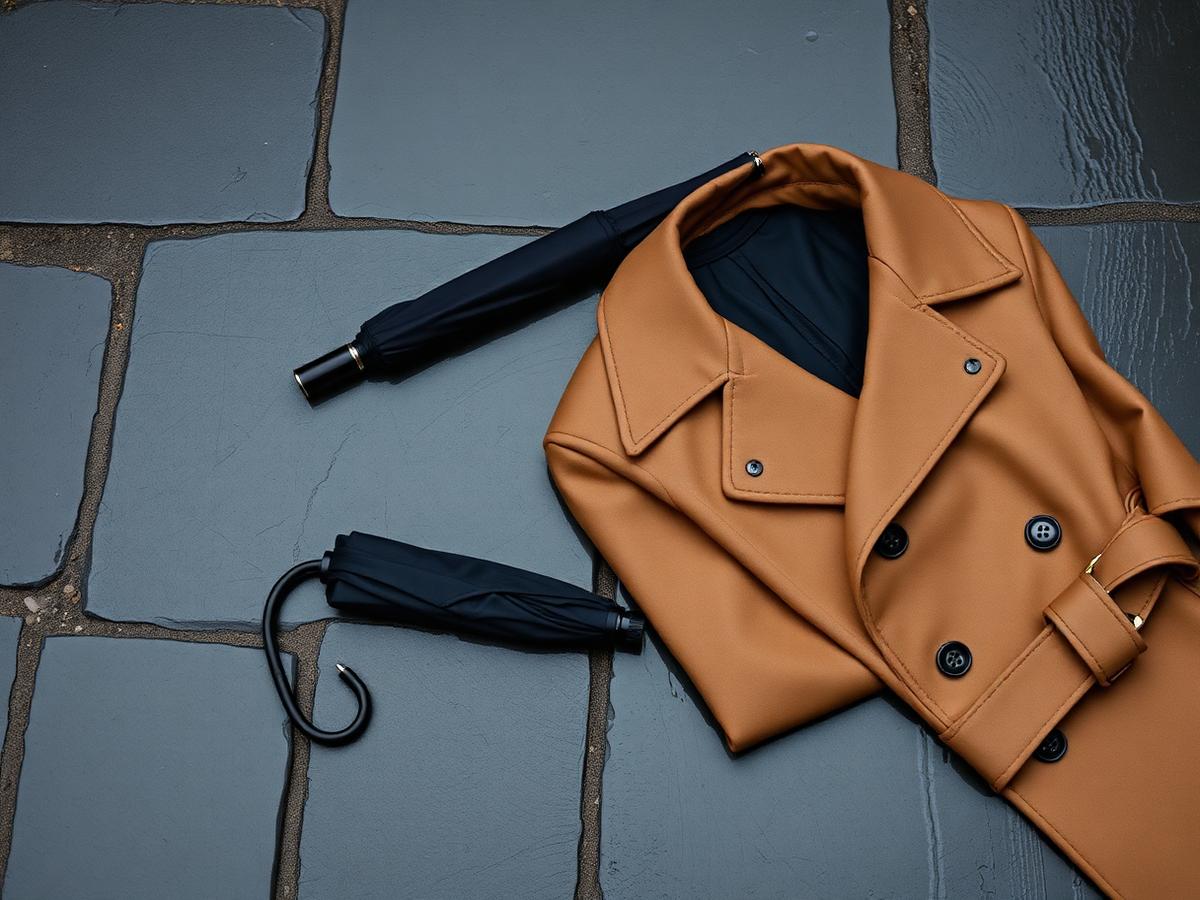
Ready to compare current prices and stock for the products discussed below?
A trench coat is one of the few garments that survives changing trends, which makes it worth buying carefully rather than quickly. This guide walks through everything that actually affects how a London Fog trench coat performs and looks: fabric and finish, liner design, length, fit, and the small construction details that separate a coat you wear for a decade from one you replace in two years.
Start with how much rain you really face
Before comparing models, be honest about your weather. A trench coat is water-repellent, not waterproof. The shell fabric is treated so drizzle beads and runs off, and the storm flap across the shoulders directs water away from the button placket. That is genuinely enough for a walk to the station in light rain.
It is not enough for an hour in steady rain. If your commute regularly involves that, a hooded rain jacket is the more sensible primary coat and a trench becomes the piece you wear when the sky is merely threatening.
Fabric: what the label is telling you
Most current styles use a cotton-polyester twill with a durable water repellent finish. The blend matters:
- Higher cotton content drapes better and looks more expensive, but absorbs more water and dries slowly.
- Higher polyester content resists creasing, dries quickly and holds the repellent finish longer, at the cost of a slightly flatter hand.
- Coated or bonded shells repel the most water and breathe the least. Good for a short cold walk, uncomfortable on a mild humid day.
Whichever you choose, the repellent finish wears off. Plan on refreshing it with a spray-on treatment roughly once a year if you wear the coat often.
Liners: the detail that decides your season range
A trench with a zip-out or button-out liner is effectively two coats. Remove the liner in April and the shell works as a light spring layer; add it back in October and the same coat handles roughly 40 to 55°F comfortably.
A permanently attached lining is warmer but locks the coat to a narrow temperature band. Unless you live somewhere consistently cold, the removable liner is the better buy even at a small price premium.
Length, and who each one suits
| Length | Where it ends | Best for |
|---|---|---|
| Short | Upper thigh | Driving, cycling, casual wear, petite frames |
| Classic | Just below the knee | Office wear, commuting, wearing over tailoring |
| Long / maxi | Mid-calf | Cold, exposed walks and a dramatic silhouette |
If you are under about 5'4", a classic length can overwhelm your frame. Petite sizing shortens both the body and the sleeve, which matters more than simply choosing a smaller number.
Getting the fit right
Double-breasted fronts carry extra fabric across the chest, so a trench naturally looks bulkier than a single-breasted coat in the same size. Three checks before you commit:
- Shoulders. The seam should sit at the edge of your shoulder. Everything else can be altered; this cannot, affordably.
- Layering room. Put on the thickest thing you plan to wear underneath and raise both arms. If the coat pulls across the back, size up.
- Sleeve length. The cuff should reach the base of your thumb, covering a shirt cuff completely.
Tie the belt rather than buckling it. It is a small change and it is the difference between the coat looking current and looking like a uniform.
Construction details worth paying for
- Storm flap that lies flat and is stitched securely, not tacked at one corner.
- Buckled cuff straps, which seal out wind-driven rain when tightened.
- A back vent so you can walk normally in a longer coat.
- Reinforced pocket bags, because pockets carry keys and phones and fail first.
- Spare buttons supplied in the pocket. Their absence often signals a lower-cost build.
When to buy
Outerwear pricing is seasonal. New styles land late summer at full price, discount through late autumn, and hit their lowest levels in the end-of-season clearance after the holidays and again in late spring. If you are not in a hurry, buying a season behind is the simplest way to pay noticeably less for the same coat.
The short version
Choose a cotton-blend shell with a removable liner, in a classic length, in your normal outerwear size. Verify the shoulder seam, tie the belt, refresh the repellent finish once a year, and the coat will outlast several rounds of cheaper alternatives.
Frequently asked questions
Related collections
Keep reading

Comparison · 7 min read
London Fog Raincoat vs Trench Coat: An Honest Comparison
Raincoat or trench coat? Compare waterproofing, hoods, formality, packability and cost to pick the right London Fog outer layer for your weather.

Sizing · 7 min read
London Fog Women's Coat Size and Fit Guide
Measure once and order once: a practical sizing guide for London Fog women's trench coats and raincoats, covering petite, regular and plus fits.
Care · 6 min read
How to Clean and Care for a London Fog Coat
Washing, dry cleaning, stain removal and restoring water repellency on a London Fog trench coat or raincoat, plus off-season storage advice.